
Radon System Placement: Home Sale Negotiation & Design
By Jake Lusby · Air Sense Environmental
Navigating radon mitigation system placement during a home sale often creates unexpected friction between buyers and sellers in the St. Louis, MO metro area, including communities like St. Charles County. When a home tests at or above the EPA action level of 4.0 pCi/L, the aesthetic impact of the mitigation system becomes a significant point of discussion. Sellers typically favor the most cost-effective exterior installation, while buyers prefer discreet interior routing to preserve curb appeal. This guide explains how system placement is typically negotiated and approved, helping both parties reach a mutually agreeable solution before closing.
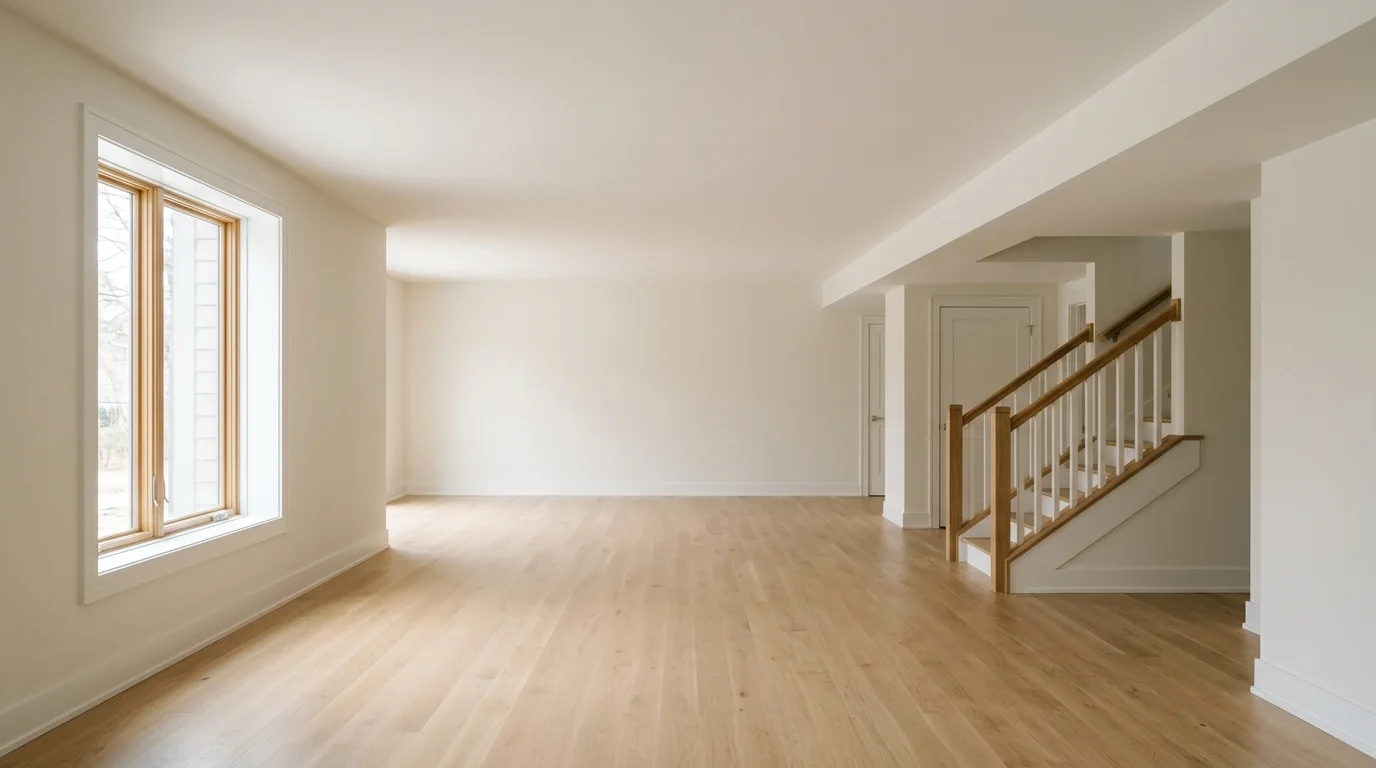
Who Decides Radon Mitigation System Placement During a Home Sale?
During a home sale in the St. Louis metro area, buyers and sellers typically negotiate final approval on radon mitigation system placement through inspection resolution addendums. When a home inspection reveals radon levels at or above the EPA action level of 4.0 pCi/L, both parties generally agree in writing on the mitigation plan before work begins. This agreement details the exact scope of repair and specific design preferences for the system’s routing. The written agreement typically specifies several key details:
- System routing: Whether the pipe runs inside or outside the house.
- Fan location: Placement in an attic or on the exterior to comply with noise and safety standards.
- Financial responsibility: Who pays for the installation and any necessary cosmetic repairs.
While the seller often pays for installation, the buyer lives with the aesthetic result, making early compromise essential. For comprehensive local radon services, visit our St. Louis Home Radon Test page.
What Are the Common Radon Mitigation System Placement Options?
System placement for radon mitigation impacts both a home’s aesthetics and the installation process. The primary distinction lies in whether the vent pipe is routed along the home’s exterior or through its interior. Common configurations include:
- Exterior routing: A PVC pipe runs up the outside siding to vent above the roofline, which is generally more affordable.
- Interior routing: The pipe is concealed within existing chases, closets, or attic spaces, minimizing visual impact.
- Passive system activation: Adding a fan to an existing passive pipe built into newer homes.
Regardless of placement, active sub-slab depressurization methods are proven effective in reducing indoor radon concentrations below the EPA action level of 4.0 pCi/L when installed by a qualified professional.
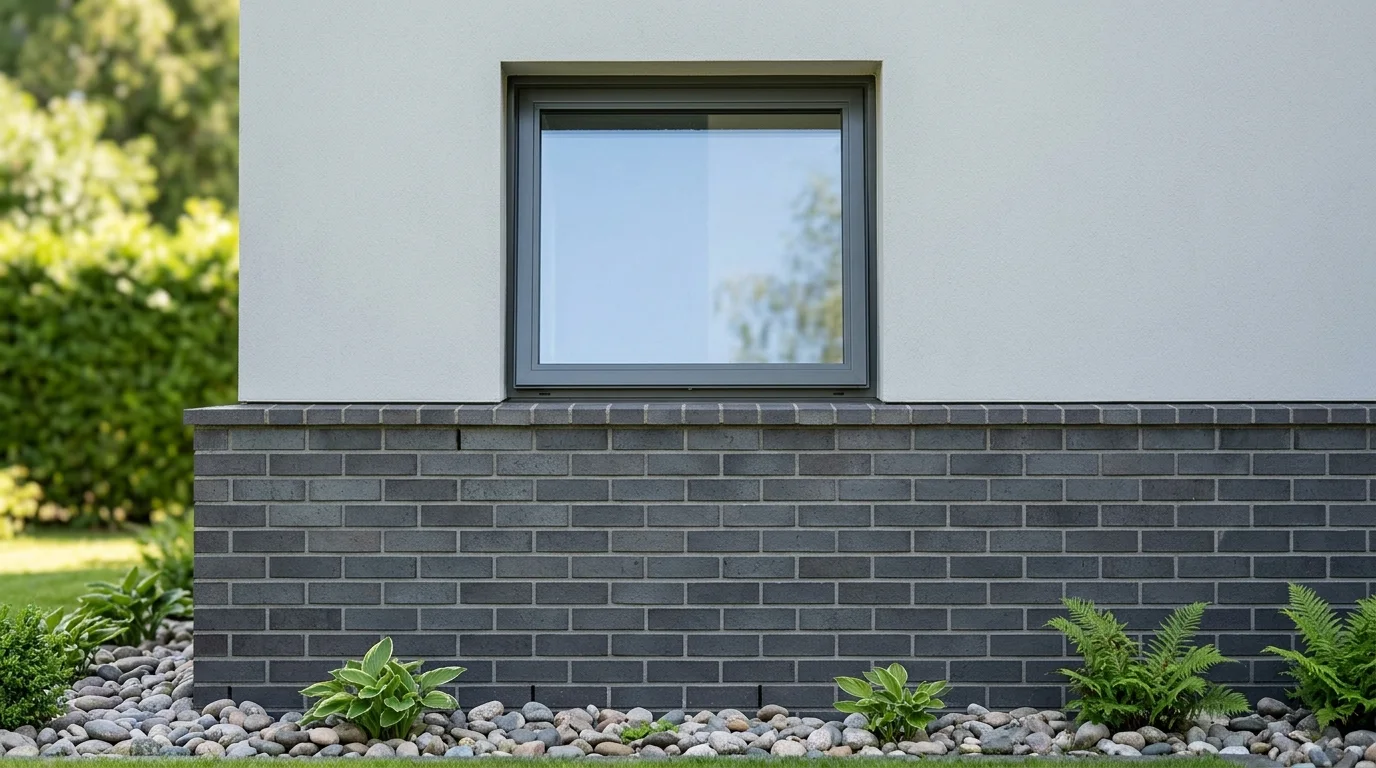
How to Negotiate Radon Mitigation System Placement During a Home Sale
Negotiating the placement of a radon mitigation system requires clear communication and professional input to reach a compromise. Both parties must agree on the system’s design before installation to ensure the home is effectively treated for radon levels at or above 4.0 pCi/L.
Step 1: Consult a Licensed Radon Professional
A licensed radon professional provides objective advice on the most effective placement options for the specific home. They explain the pros and cons of interior versus exterior routing, considering the home’s foundation and local building codes.
Step 2: Compare Exterior and Interior Quotes
Obtain detailed quotes for both exterior and interior radon mitigation systems from qualified contractors. Comparing these estimates allows the seller to see the cost difference, while the buyer gains insight into the investment required for their preferred aesthetic.
Step 3: Document the Agreed Placement
Once an agreement is reached, buyers and sellers typically document the chosen system placement within the real estate contract or an inspection resolution addendum. Clear documentation prevents misunderstandings and ensures installation meets expectations before closing.
What Are the Consequences of Disputes Over Radon System Placement?
Unresolved disputes over radon mitigation system placement can delay a home sale. When buyers and sellers cannot agree on how to address radon levels at or above 4.0 pCi/L, several complications can arise:
- Delayed closing dates: Negotiations over system aesthetics can push back the final signing.
- Lost buyer confidence: Buyers may walk away if they feel forced to accept an exterior pipe they find unsightly.
- Increased seller costs: Sellers might refuse to pay the premium for a more discreet interior route, risking the entire transaction.
According to the EPA Home Buyer’s and Seller’s Guide to Radon, it is better to correct a radon problem before placing a home on the market to allow more time to address these placement decisions and avoid an impasse.
How Does Radon Mitigation Impact Home Marketability?
A properly installed radon mitigation system enhances a home’s marketability by proactively addressing a key concern for potential buyers. Homes already equipped with an active mitigation system remove a major objection, providing immediate peace of mind because the property has been fixed to address radon levels at or above the EPA action level of 4.0 pCi/L. The benefits for sellers include:
- Faster inspection resolution: Pre-mitigated homes avoid last-minute negotiation delays.
- Demonstrated home maintenance: Buyers see that the seller has actively cared for the property.
- Healthier indoor air: The system provides ongoing protection for future occupants.
Air Sense Environmental installs systems that balance effectiveness with aesthetics, ensuring the solution integrates seamlessly with the home’s design. While 4.0 pCi/L is the EPA’s action level, even radon levels below this still pose some risk, and further reduction is often achievable according to EPA guidance.
Does an existing radon mitigation system need to be inspected during a home sale?
Yes, an existing radon mitigation system should be inspected during a home sale to ensure it is functioning correctly and keeping levels below 4.0 pCi/L. Buyers frequently request this verification. The EPA recommends retesting a home in several specific situations:
- When the last test is not recent (older than two years).
- After any significant structural renovations or alterations.
- If the buyer intends to occupy a lower level not previously tested.
These steps, detailed in the EPA Home Buyer’s and Seller’s Guide to Radon, ensure continued effectiveness in reducing radon levels.
Can you enclose an exterior radon pipe to hide it?
Yes, an exterior radon pipe can often be enclosed to improve a home’s aesthetics, but it requires careful planning and professional execution to maintain system efficacy below 4.0 pCi/L. Any enclosure must meet several functional requirements:
- Adequate ventilation: The enclosure must allow airflow around the fan to prevent heat buildup.
- Maintenance access: Technicians need easy entry to inspect or replace the fan unit.
- Exhaust clearance: The design must prevent radon reentry into the home by venting safely above the roofline.
Consulting a qualified radon mitigator is essential to ensure the enclosure meets safety standards.
What is the typical timeframe for installing a radon mitigation system before closing?
Installation of a radon mitigation system is typically completed in a single day, but the overall timeframe before closing needs to account for post-mitigation testing to confirm levels are below 4.0 pCi/L. Allowing seven to ten days from initial installation to receiving confirmed results is a prudent estimate to prevent closing delays.
Day 1: System Installation
A qualified contractor installs the vent pipe and fan, which usually takes a few hours.
Day 2: System Activation Period
The EPA Consumer’s Guide to Radon Reduction requires waiting at least 24 hours after the system is active before starting a follow-up test.
Days 3 to 5: Post-Mitigation Testing
A short-term test runs for two to seven days to verify the system effectively reduced radon concentrations.
Navigating radon mitigation during a home sale can be complex, but ensuring a safe home environment is paramount. If you are a buyer or seller in the St. Louis area facing radon concerns, connect with Air Sense Environmental. Schedule a consultation to discuss your specific situation and explore effective, aesthetically pleasing mitigation solutions. Visit our contact page to get started.
Prepared with AI assistance using the linked primary sources. For property-specific advice, contact Air Sense Environmental.