
Should you get a radon test with a home inspection?
Yes. A radon test supplies information a visual inspection cannot provide. EPA recommends testing a home before purchase. An attractive basement, a newer foundation or a neighboring property's result cannot establish the number in the home you are buying.
Ask for any previous report when you order the inspection. Check which level was tested and whether the property has changed since then. This gives your tester useful context without treating an old result as a current measurement.
In most home sales the buyer orders the radon test during the inspection period, and a seller can also test before listing.
What is radon, and why test before buying a home?
Radon is a naturally occurring radioactive gas released as uranium breaks down in soil and rock. It has no color or smell and enters a home through cracks, joints, sump pits and other openings in the foundation, so a radon test is the only way to know the level in a specific house. The EPA identifies radon as the second leading cause of lung cancer in the United States after smoking and estimates it is responsible for about 21,000 lung cancer deaths each year.
EPA recommends fixing a home with a radon level of 4 pCi/L (picocuries per liter) or higher and suggests considering a fix between 2 and 4 pCi/L. For a home inspection, the test belongs on the lowest level of the home that is used or could be used as living space.
Does a home inspection include a radon test?
A home inspection includes radon testing only when the inspection agreement specifically includes that service. Confirm the scope with your inspector instead of assuming a radon result will appear in the general inspection report.
- Who is ordering and paying for the radon test?
- Who will authorize entry and equipment collection?
- Which parties need a copy of the completed report?
How long does a radon test take for a home inspection?
The test duration and the report delivery time are separate parts of the schedule. Short-term transaction testing commonly requires at least 48 hours of measurement, with preparation, placement, pickup and reporting arranged around it. Air Sense must confirm the actual schedule for your property.
Provide the inspection-response deadline, not only the closing date. A result delivered before closing may still arrive too late for the contract's inspection process. Leave room for an invalid test to be repeated if necessary.
Can you be in the house during a radon test?
People can generally remain in the house during a radon test while following the tester's written instructions. Normal entry and exit are different from leaving exterior doors or windows open. Keep the device in its assigned location.
- Tell every occupant when testing begins and ends.
- Share the instructions with agents and showing contacts.
- Report an interruption rather than trying to correct the data yourself.
Do you need a radon test with no basement?
Yes. Homes built on slabs or above crawl spaces can also have radon. The absence of a basement does not eliminate the need for a property-specific measurement. Tell the tester about additions, split levels and any space you expect to use regularly.
How is a real estate radon test protected from tampering?
A defensible real estate test starts with documented placement and clear instructions. EPA describes measures such as occupant agreements and tamper indicators. Ask which checks will be used for your test and how an interruption would be handled.
A surprising number alone does not demonstrate tampering. Review the test conditions and the report with the measurement professional before drawing conclusions.
How much does a radon inspection cost?
The radon inspection price should cover the agreed measurement and reporting scope. Ask Air Sense for a property-specific quote at 314-664-9807. A general testing starting price is not a promise about a transaction requiring extra devices, access arrangements or reporting.
- Confirm placement and pickup are included.
- Identify the report recipients before scheduling.
- Ask how a repeat visit would be charged.
What if the house already has a radon mitigation system?
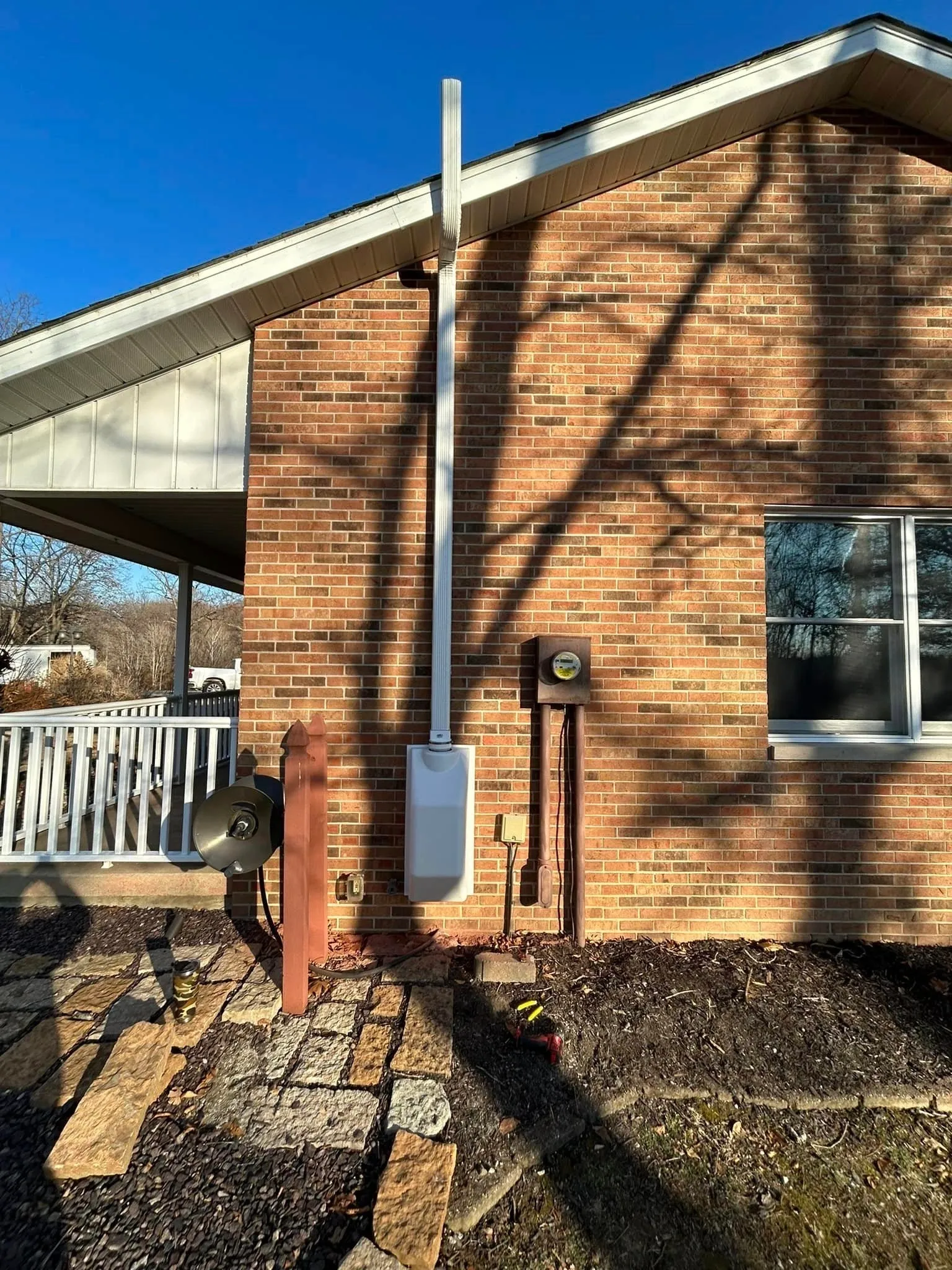
A radon mitigation system is not a test result. Ask the seller for the installer, the installation date, the post-mitigation radon test report and any warranty, then test the home during the inspection period as you would any other house. These are the parts a buyer or home inspector can check on site, shown in real Air Sense installations:
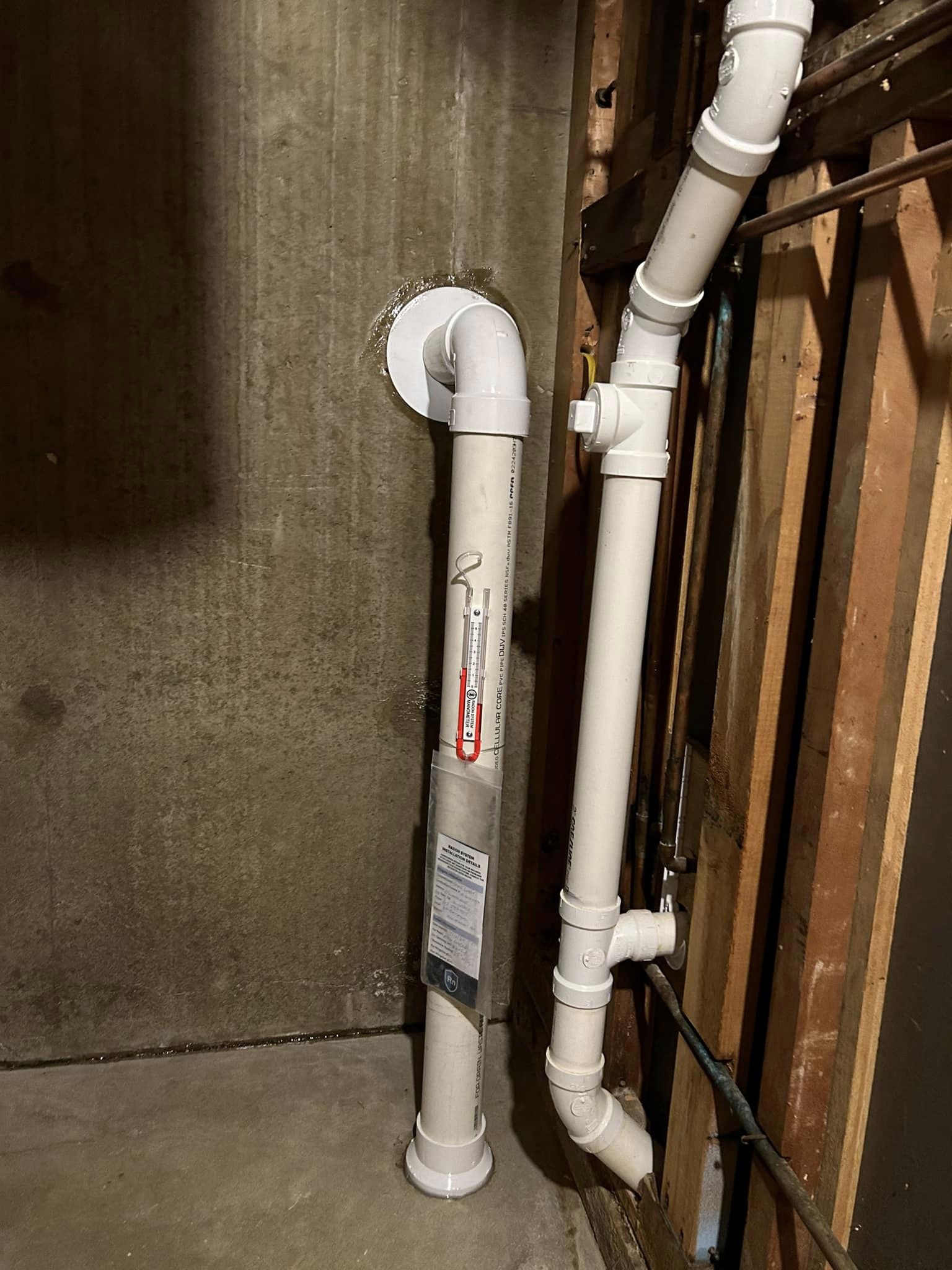
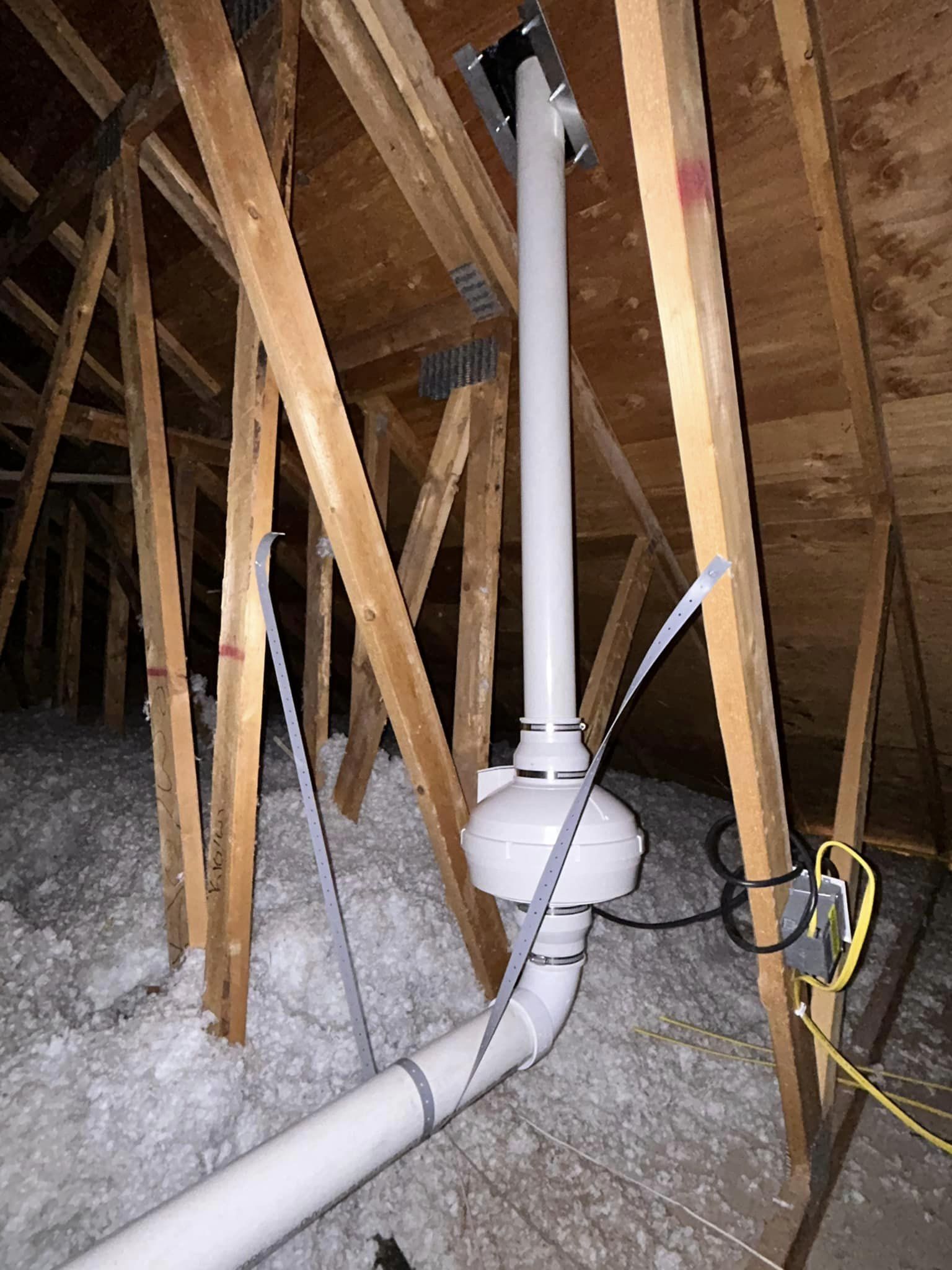
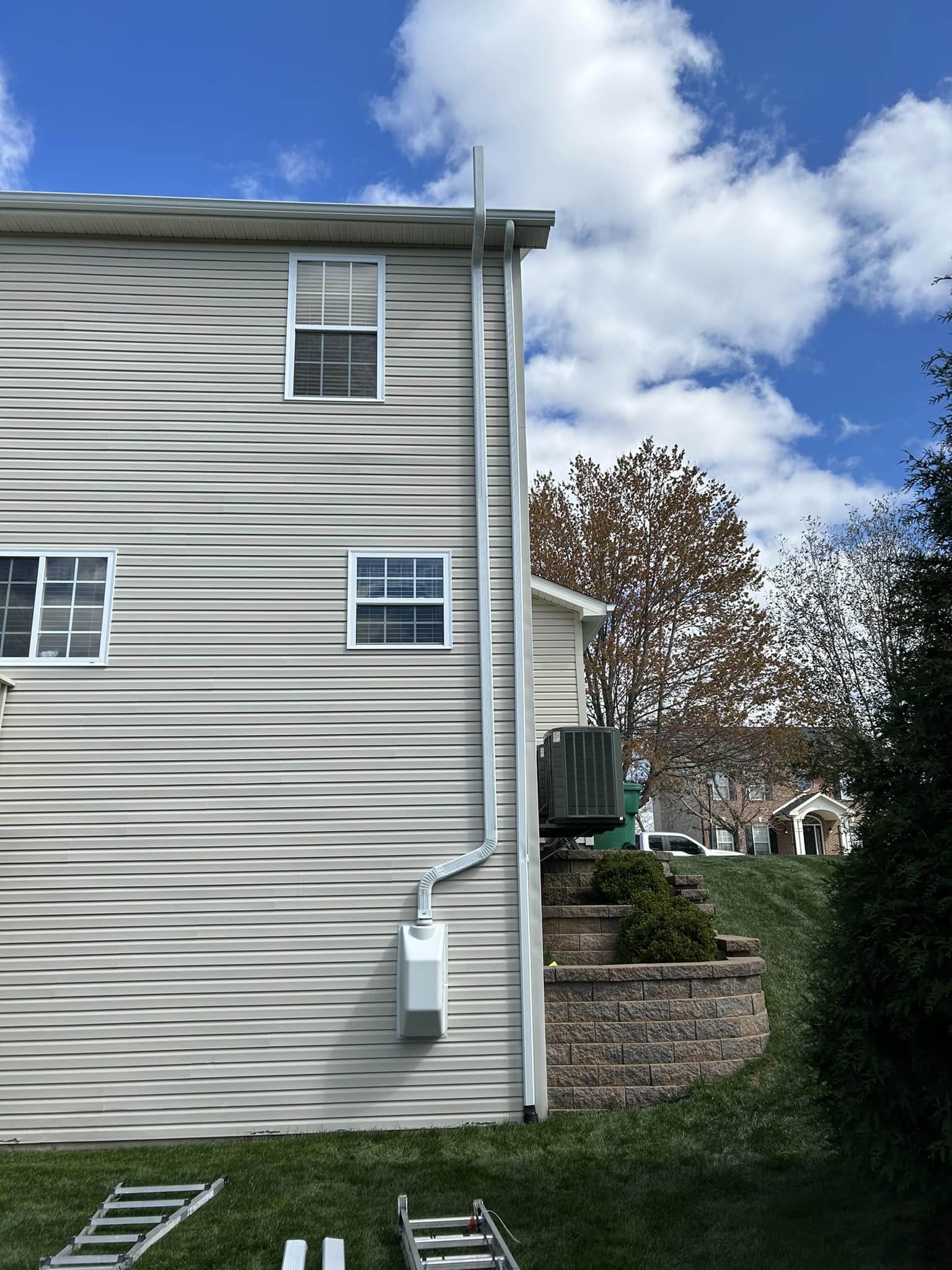
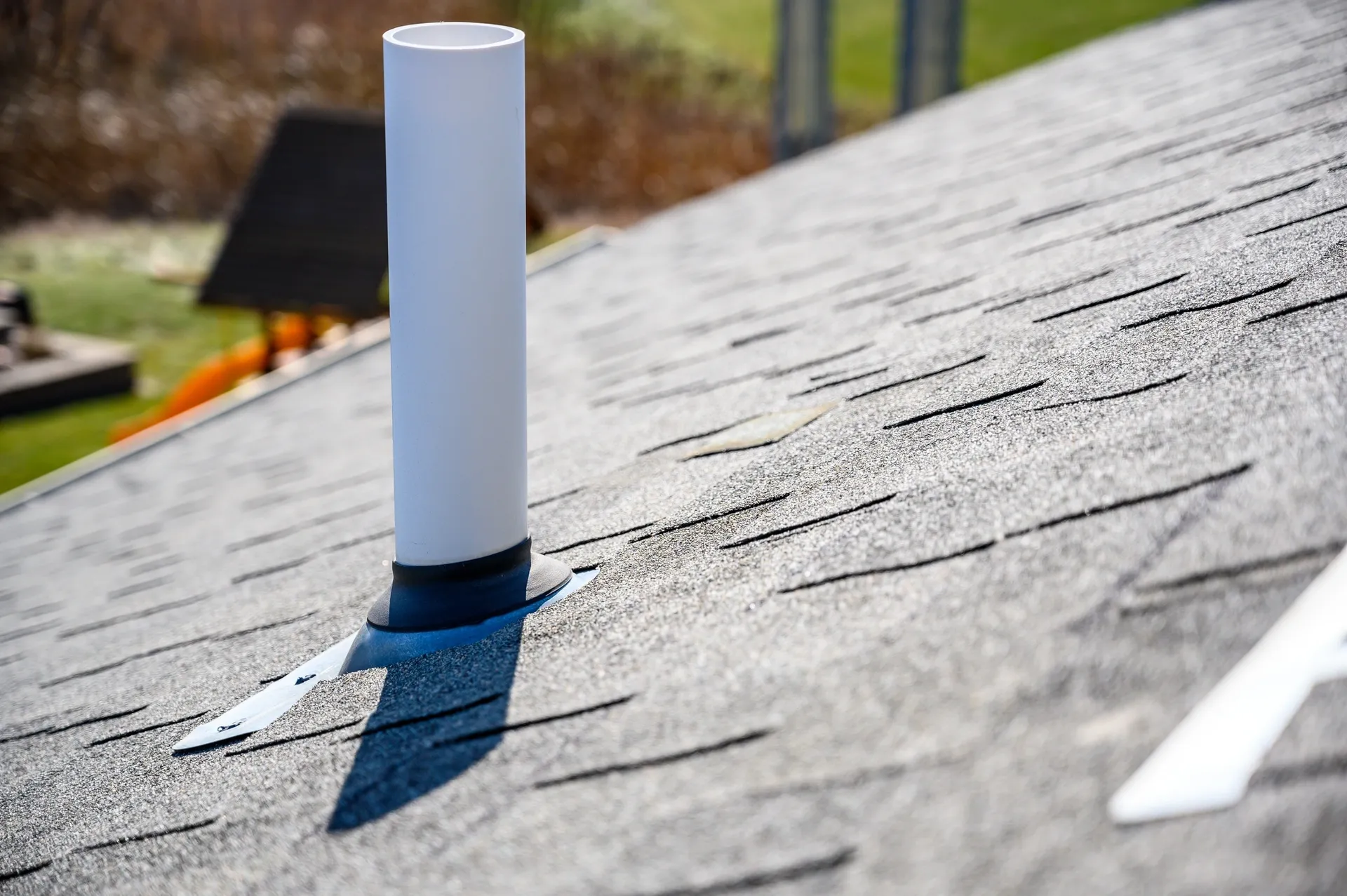
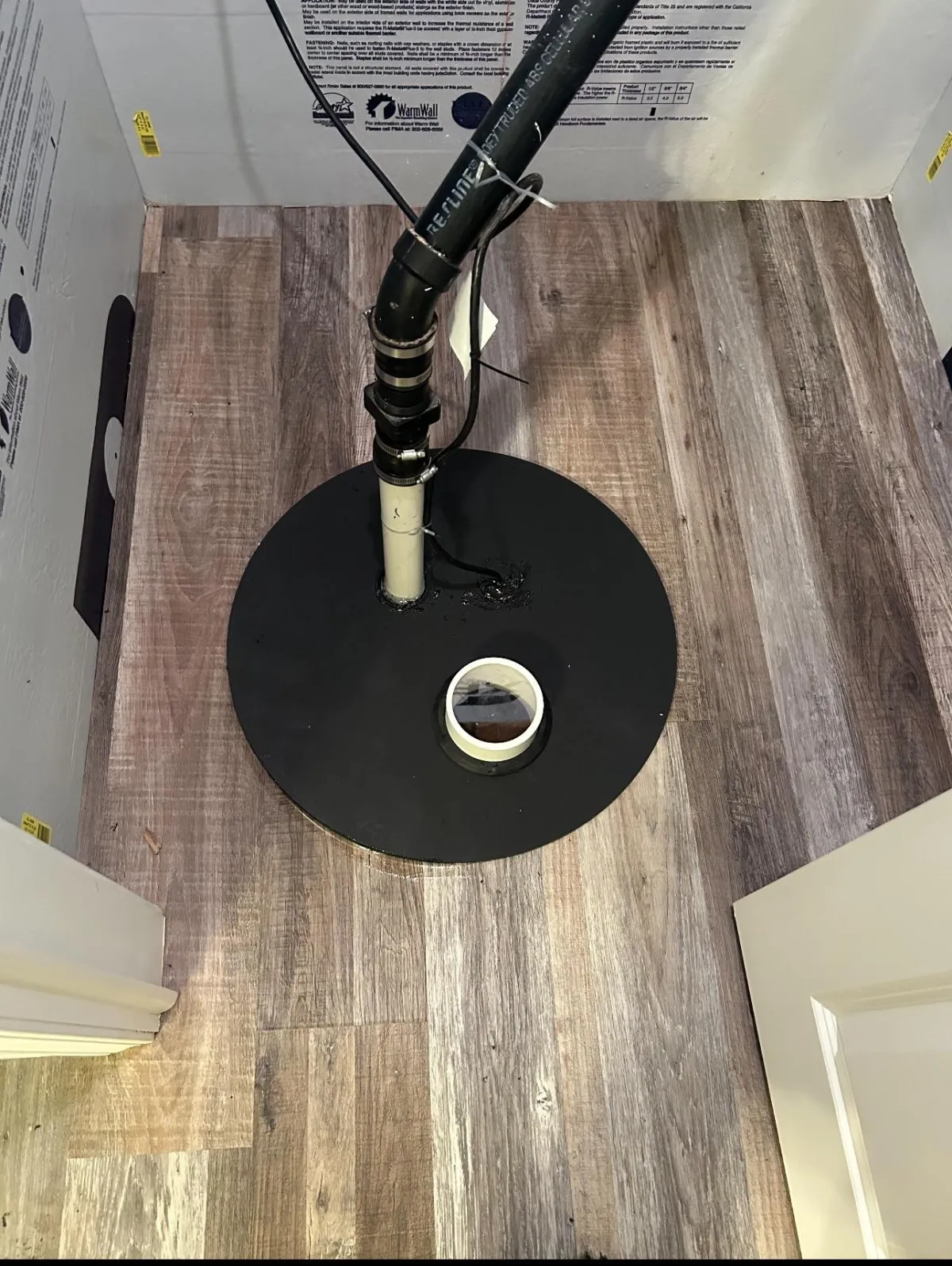
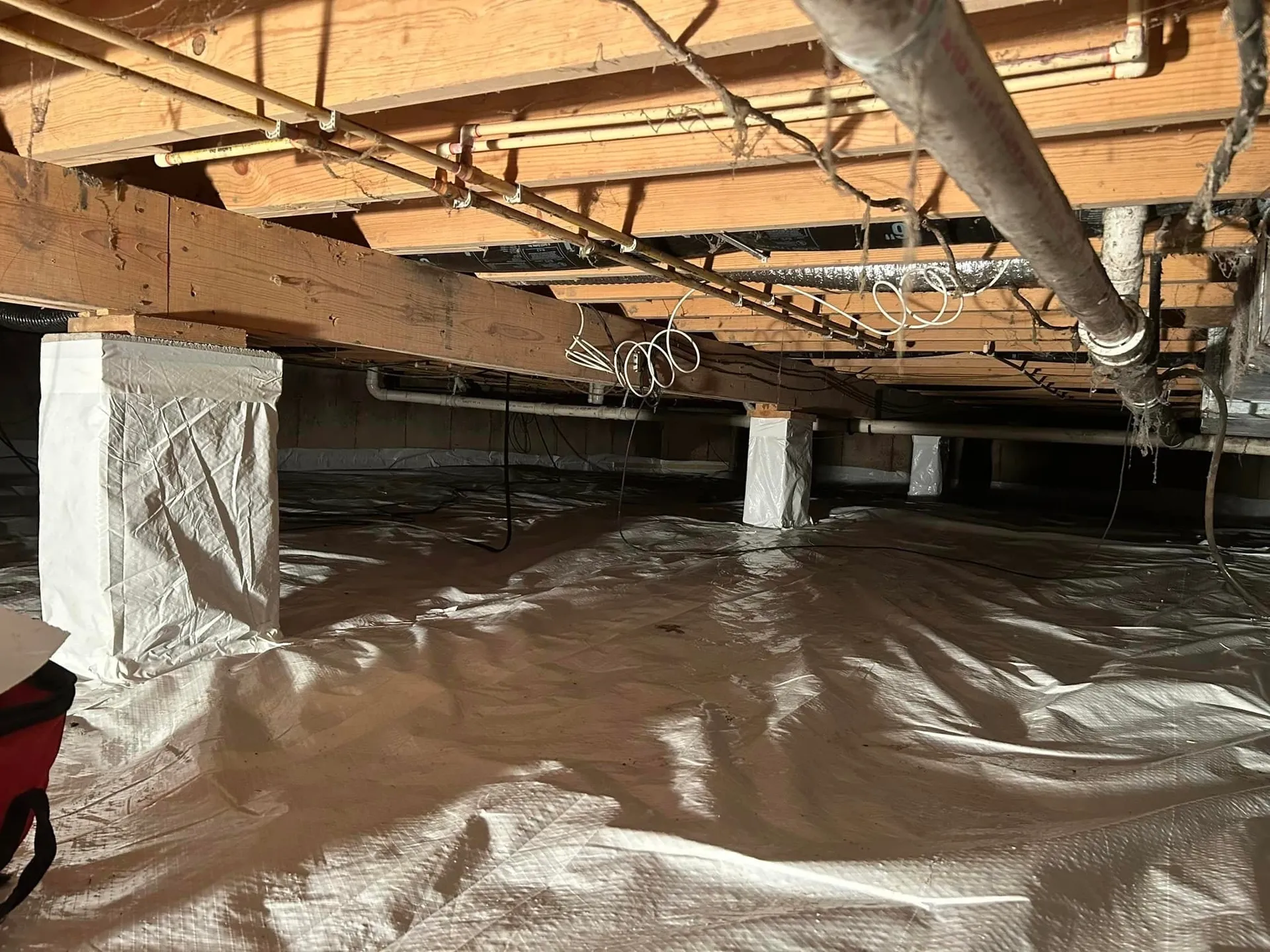
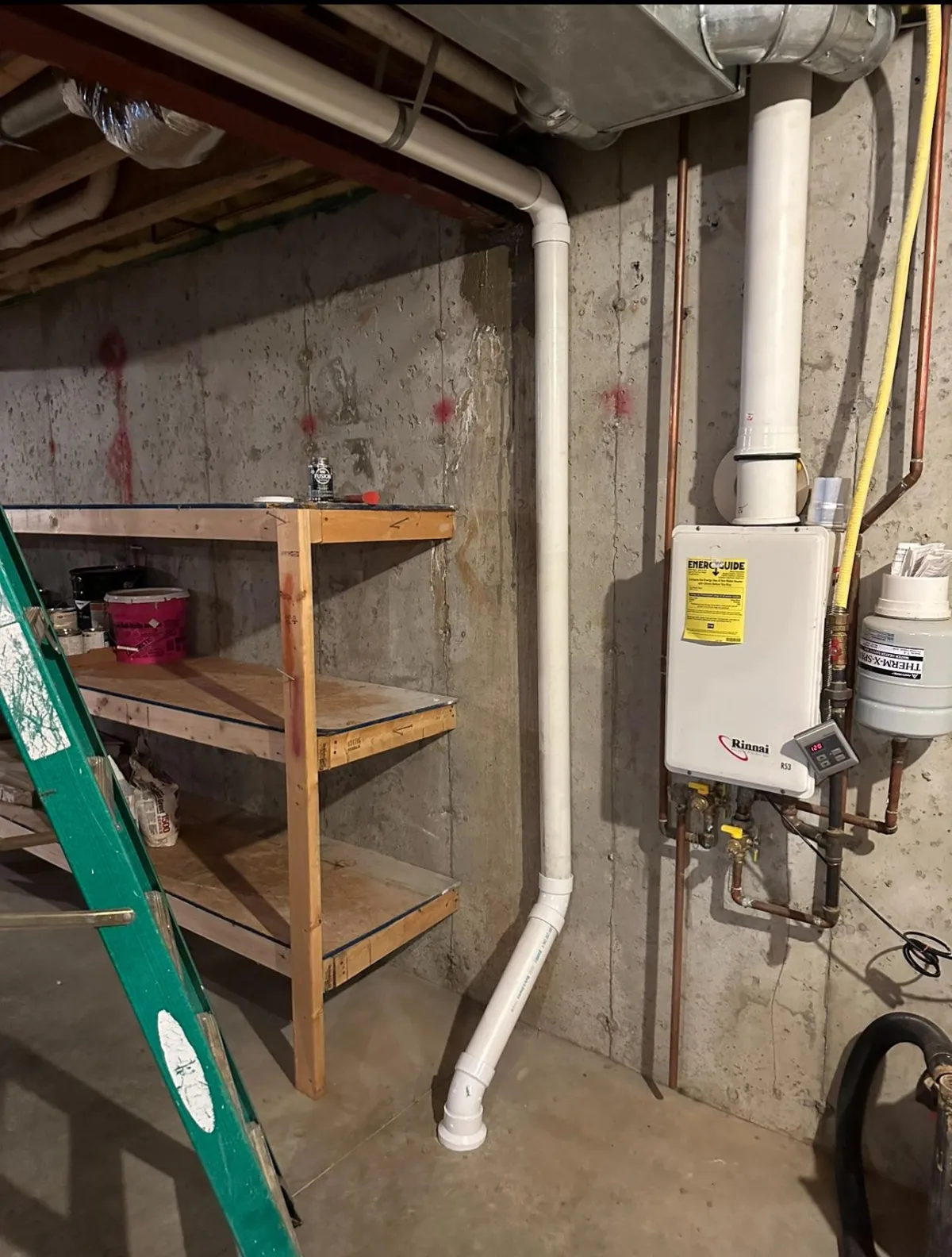
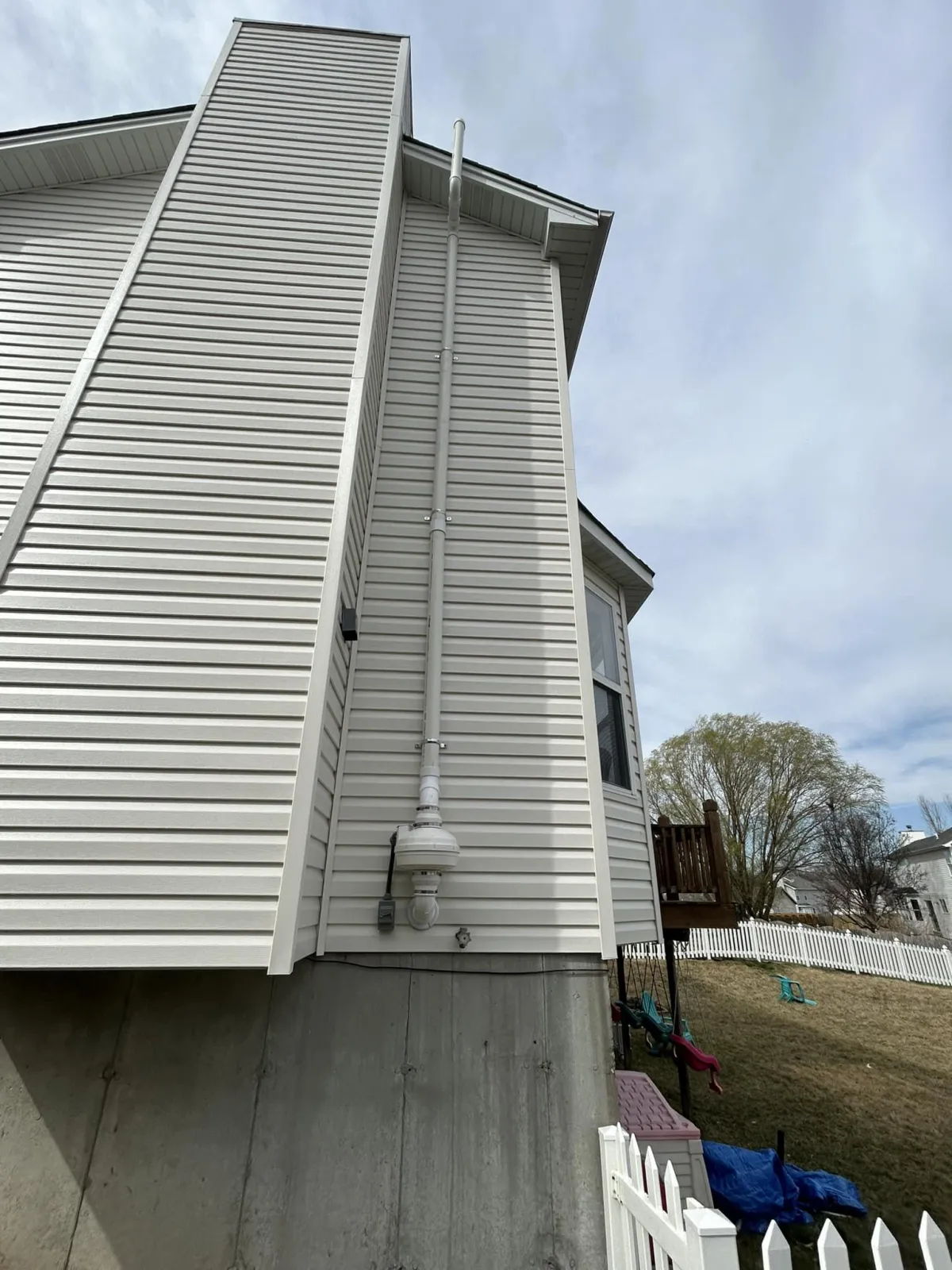
If a part is missing, the fan is silent or the manometer levels are even, note it in the inspection response and ask for the system to be evaluated.
What Air Sense customers say
Excerpts from Google reviews of Air Sense Environmental, quoted as written. Reviewer names are withheld; each link opens the full review on Google.
“In 20 years as a real estate agent I have never rarely come across a contractor with this level of customer service. Jake returned my call immediately. Heard that I had an emergency. Rearranged his day and saved a home sale.”
Google review, June 2025 · Read the full review on Google
“I had an emergency with a property I was selling and Jake had the issue fixed in a few days.”
Google review, June 2024 · Read the full review on Google
“They were kind, courteous and even able to help me when I had limited time due to a closing on our house.”
Google review, December 2024 · Read the full review on Google
See all 167 Google reviews of Air Sense Environmental (rated 5.0 as of October 10, 2026)
Home Inspection Radon Test
Questions buyers, sellers and agents ask before booking.
Yes. A seller can arrange testing before listing and keep the report with the property records. A buyer may still request a new measurement.
Send the address, property type, inspection deadline, access contact and any existing radon report. Include whether a mitigation system is already installed.
Radon moves from the soil into the house through cracks, construction joints, gaps around pipes, sump pits and crawl spaces. Any home can have it, whatever its age or foundation type.
Results are reported in picocuries per liter. EPA recommends fixing a home at 4 pCi/L or higher and considering a fix between 2 and 4 pCi/L. Review the full report, not only the number.
Yes. A transaction test uses documented placement, test conditions and a report that the parties can rely on. A consumer monitor is useful for watching trends after you move in.
Yes. EPA advises testing new homes even when radon-resistant construction features such as a passive pipe are present.
Ask the seller and the listing agent for the installer, installation date, post-mitigation test report and warranty. A label on the system pipe often names the installer.
A working system with its paperwork and a recent test result gives buyers the information they need. Keep those records together before listing.
Ask the contractor about the installation timeline. Temporary steps such as more ventilation on the lowest level are not a substitute for a mitigation system and a follow-up test.