
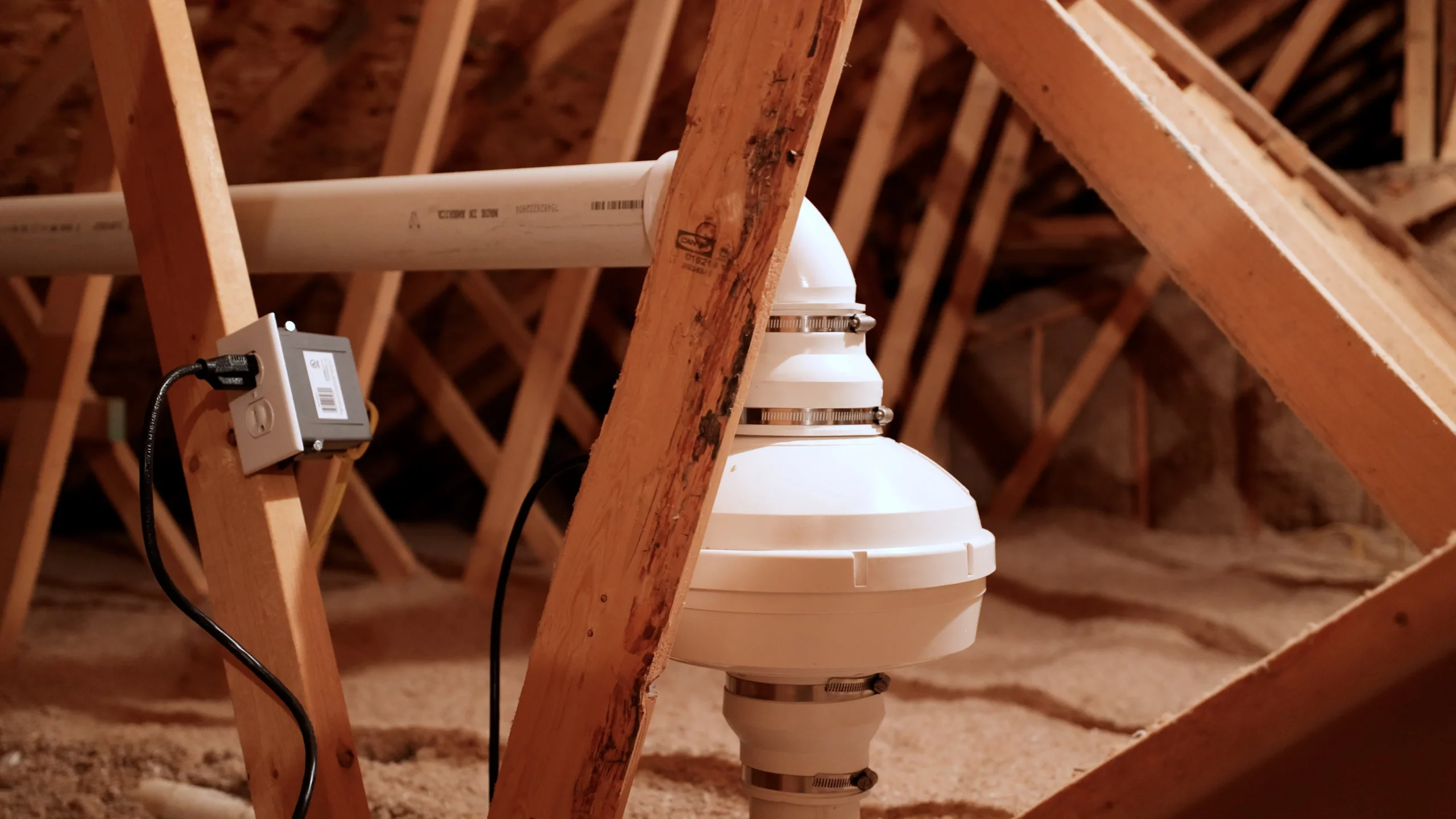
Should you buy a house with a radon mitigation system?
An existing radon mitigation system can be part of a workable purchase when its condition and performance are documented. Ask for the installation record, operating instructions, service history and most recent radon report. A system should be assessed as installed equipment, with a measurement showing what is happening indoors.
Make sure you understand which parts of the house the report represents. A finished basement or addition may create questions that an older report does not answer. Arrange a review before the inspection deadline so there is time to investigate missing information.
- Identify the installer and installation date if available.
- Locate the system monitor and operating instructions.
- Request the latest complete radon test report.
Should you buy a house with high radon levels?
A high radon result calls for a reduction plan and a clear agreement before you decide how to proceed. EPA recommends fixing homes at 4.0 pCi/L or higher and considering reduction between 2.0 and 4.0 pCi/L. Those guidelines are not a guarantee that a lower result has no risk.
Ask a radon professional what the property needs, then discuss the proposal with your agent. Evaluate the cost, pipe route, access requirements, follow-up measurement and responsibility for unfinished work. A contractor can describe the scope; the buyer and seller decide whether the terms work for them.
- Obtain a written scope tied to the actual property.
- Specify who arranges and pays for follow-up testing.
- Record any agreed work in the transaction documents.
What is the average lifespan of a radon mitigation system?
A radon system has several components, so it does not have one universal replacement date. The fan is a powered component; piping, seals and a crawl-space membrane have different maintenance needs. EPA notes that fans may last five years or more, but age alone does not establish condition.
Ask about the model, warranty paperwork and prior repairs. Budgeting for eventual maintenance is sensible, while replacing an operating component solely because of its birthday may not address the real concern. A system assessment and a radon test answer different parts of the question.
- A warranty term is not a promised operating life.
- A running fan does not establish the indoor radon level.
- An unusual gauge reading deserves comparison with its baseline.
Can you sell a house that has radon?
A home with a radon history can be offered for sale. Handle required disclosures and any agreed repairs through the applicable transaction process. Missouri DHSS advises noting mitigation systems in the seller disclosure; Illinois has specific radon disclosure requirements for covered sales.
Keep an organized handover file for the buyer. Include reports with dates, contractor contact details and any maintenance instructions. Clear records make it easier to separate an old elevated result from the condition after mitigation without promising what a future measurement will show.
Questions before you book
Is a radon pipe proof that the home has an active system?
No. A pipe may be part of a passive system or an incomplete installation. Confirm the system type and have its operation assessed.
Should the buyer keep the fan running after moving in?
A fan-powered radon system is designed for continuous operation. Ask for its operating instructions and arrange service if there is a fault.
How do I get a property-specific assessment?
Call Air Sense Environmental at 314-664-9807 with the test report, address, existing system details and purchase deadline.